Payment Processing Systems and Their Role in Shaping Reward Tiers Within Mobile Gaming Applications
Clara Baumann · Sep 18, 2026
Payment Processing Systems and Their Role in Shaping Reward Tiers Within Mobile Gaming Applications
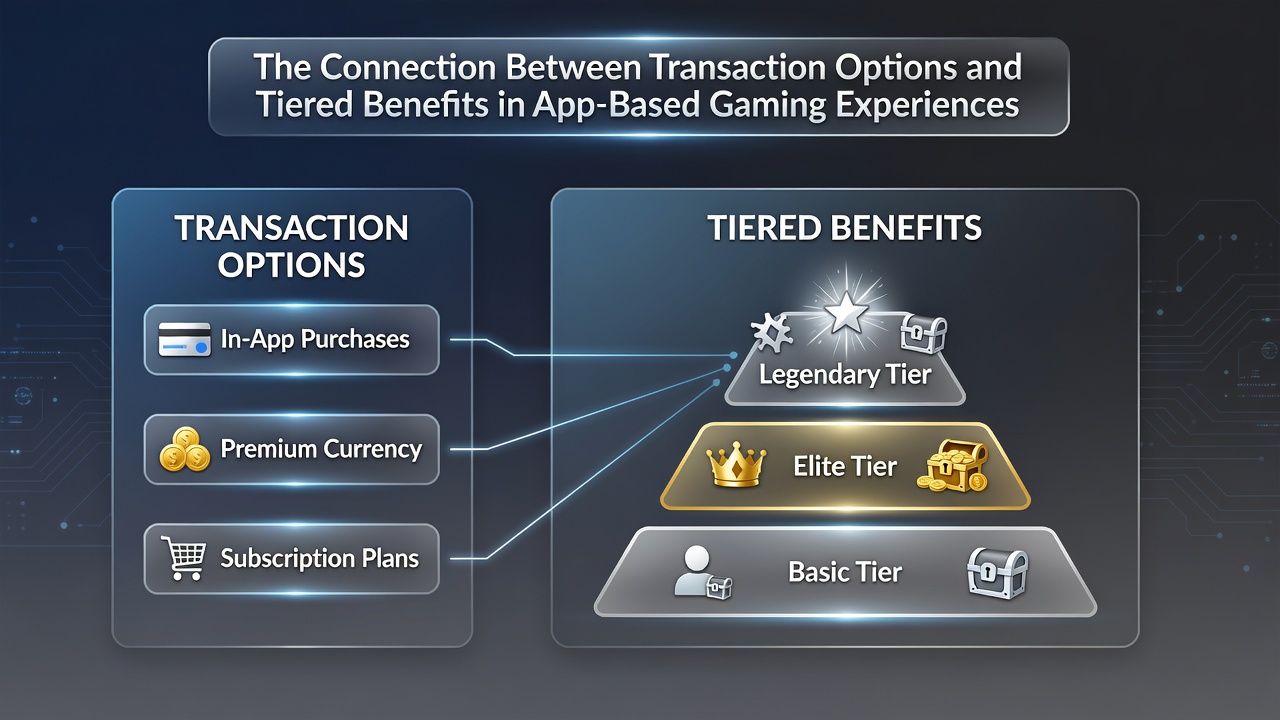
App-based gaming has expanded rapidly over the past decade, with transaction options serving as a direct pathway to tiered benefits that developers structure around player spending patterns and engagement levels. Payment methods such as credit cards, digital wallets, carrier billing, and emerging alternatives connect to these systems because they determine transaction speed, verification requirements, and sometimes eligibility for promotional multipliers that accelerate tier advancement. Data from industry reports shows that games employing multiple payment channels often see higher retention rates among users who progress through reward tiers, since seamless processing reduces friction during in-app purchases.
Core Mechanics Linking Transactions to Tier Progression
Developers design tiered benefit frameworks where cumulative spending thresholds unlock escalating perks, including exclusive items, bonus currency, or priority support, and transaction options influence how quickly players reach those thresholds. For instance, instant processing through certain digital wallets can credit purchases immediately, allowing real-time tier updates, whereas bank transfers or slower methods may delay recognition until funds clear. Research indicates that platforms integrating diverse payment solutions report smoother progression curves, particularly in games where daily login streaks combine with spending to determine monthly tier resets or upgrades.
Those who have studied player behavior note that regional availability of payment methods also shapes access to tiered structures, since some markets rely heavily on carrier billing while others favor credit cards or localized e-wallets. This variation means developers must calibrate benefit delivery across regions to maintain consistent tier advancement opportunities regardless of the underlying transaction infrastructure.
Technical Integration and Data Flow Between Systems
Backend systems in app-based gaming connect transaction processors directly to player account databases, where algorithms track spending velocity and apply tier adjustments according to predefined rules. When a user completes a purchase through an approved channel, the system logs the amount, applies any active multipliers tied to payment type, and recalculates tier status within seconds in most modern implementations. Observers note that games using unified APIs for multiple processors reduce errors in tier calculations, which helps prevent disputes over missed benefits that sometimes arise from mismatched transaction records.
Regulatory Context and Industry Standards in 2026
As of September 2026, updates to digital transaction regulations in several jurisdictions have prompted gaming companies to enhance transparency around how payment choices affect tiered reward eligibility. Authorities in the European Union and Australia have issued guidelines requiring clear disclosure of processing times and any tier-related incentives linked to specific methods, which has led developers to standardize their benefit descriptions across app stores. Industry organizations such as the Entertainment Software Association have published frameworks encouraging consistent practices that tie transaction reliability to fair tier progression without favoring particular payment providers.
Figures from market analyses reveal that compliance with these standards correlates with increased player trust in tier systems, as users can verify that their chosen transaction option delivers predictable benefit outcomes. Games that adapted early to these requirements often maintain higher engagement across tier levels because players understand the exact connection between their payment method and reward delivery timelines.
Examples of Tier Structures Across Popular Gaming Titles
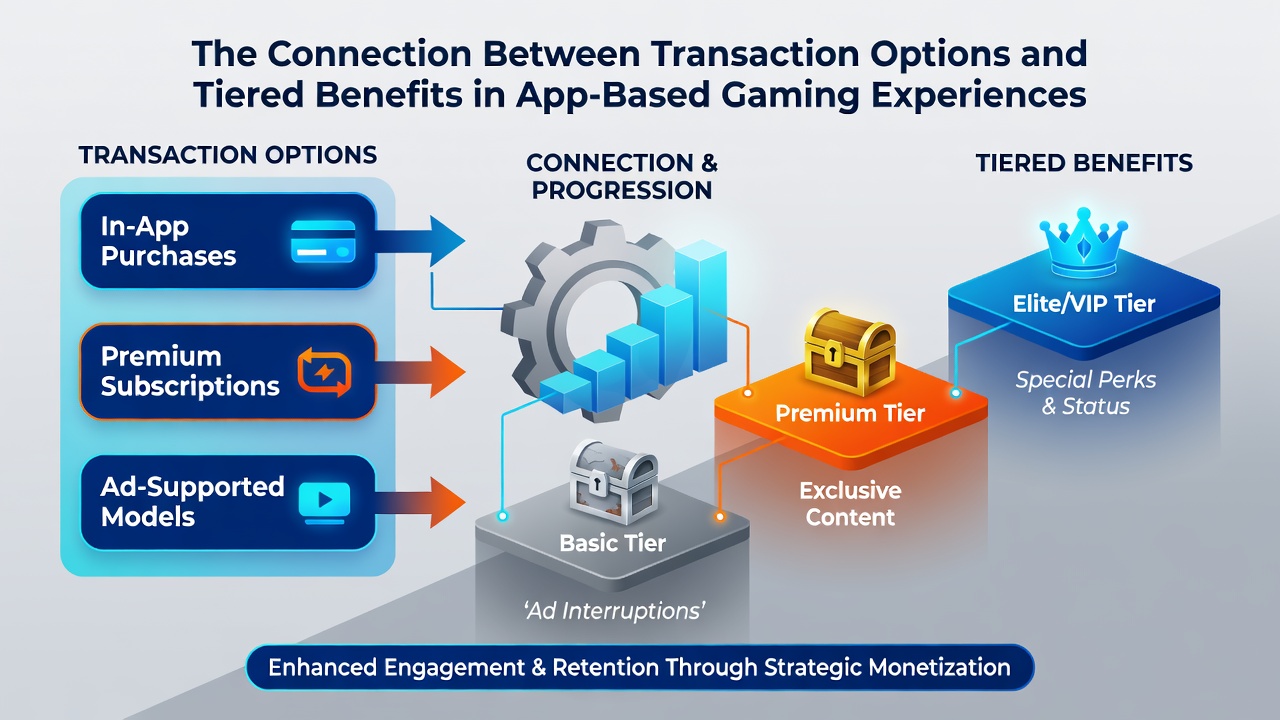
One study of leading mobile titles found that battle-pass style systems frequently grant accelerated tier unlocks when purchases route through certain processors that offer instant confirmation, while standard credit card transactions follow baseline timelines. In another case, developers of strategy games have introduced payment-specific bonuses, such as extra resource packs available only through verified digital wallet transactions that meet security thresholds set by the platform. These mechanics demonstrate how transaction options function as variables within the tier equation rather than neutral background elements.
Researchers have observed that subscription-based tiers, which require recurring payments, often integrate auto-renewal features tied to the original transaction method, ensuring uninterrupted benefit access provided the payment succeeds each cycle. When a method fails or requires re-verification, players may drop tiers temporarily until the issue resolves, highlighting the direct operational link between payment reliability adn sustained reward levels.
Future Developments in Transaction and Benefit Integration
Emerging technologies such as token-based payments and blockchain-verified transactions are beginning to appear in select gaming ecosystems, where they promise faster tier updates and enhanced security for high-value purchases that influence premium reward brackets. Data shows early adopters of these methods experience fewer processing delays, which translates into more consistent advancement through tier ladders. Industry reports suggest continued expansion of these options will further entangle transaction infrastructure with the logic governing benefit allocation.
Conclusion
The connection between transaction options and tiered benefits in app-based gaming rests on technical integration, regulatory compliance, and player behavior patterns that developers monitor through detailed analytics. Payment methods determine processing speed, regional accessibility, and sometimes eligibility for multipliers that shape progression rates, while tier systems rely on accurate recording of those transactions to deliver promised rewards. As standards evolve and new payment technologies enter the market, the relationship between these elements continues to define how players experience structured benefits within mobile gaming environments.