The Evolution of Cybersecurity in Shaping Safe Payment Flows for Online Gaming Platforms
Anna Berger · Oct 2, 2026
The Evolution of Cybersecurity in Shaping Safe Payment Flows for Online Gaming Platforms
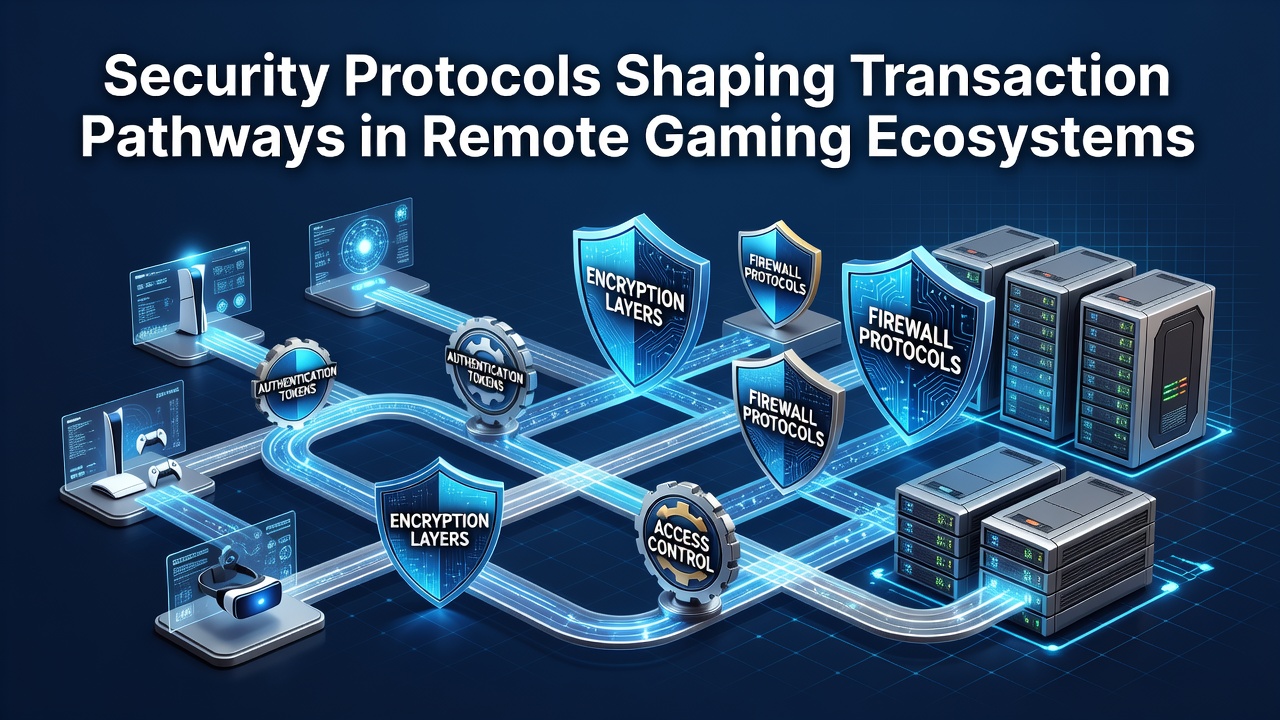
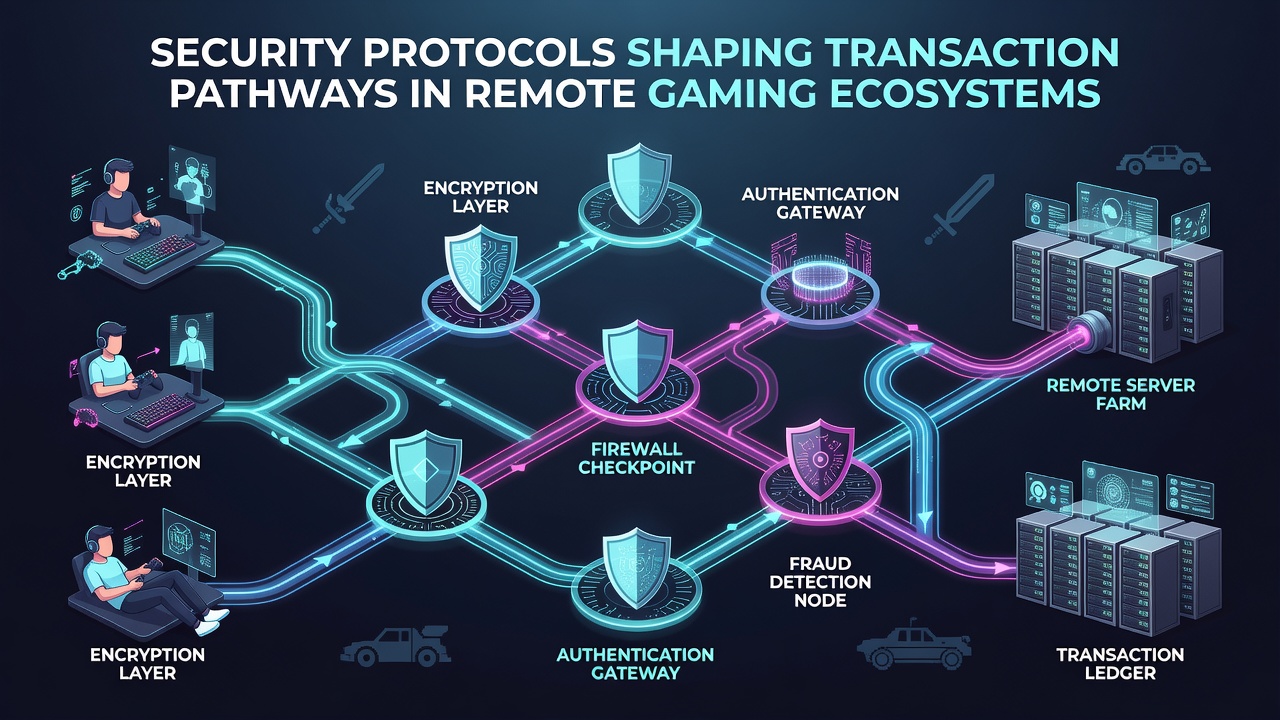
Remote gaming ecosystems rely on layered security protocols that guide every transaction from player account to payout confirmation, and these systems have grown more intricate as digital platforms expand their reach across multiple jurisdictions. Data from industry analyses shows that encryption standards such as TLS 1.3 now form the baseline for protecting data in transit, while tokenization techniques replace sensitive card details with unique identifiers that reduce exposure during processing. Observers note that these measures work together to create transaction pathways resistant to interception, and companies implement them to meet compliance requirements that differ by region.
Encryption and Data Protection Standards
Modern encryption protocols secure the core of transaction pathways by converting payment information into unreadable formats that only authorized systems can decode, and this approach has become standard since regulatory bodies began mandating stronger cryptographic methods. Researchers at institutions like the National Institute of Standards and Technology have documented how AES-256 encryption combined with perfect forward secrecy prevents retrospective decryption even if keys are later compromised, while gaming operators integrate these tools into their payment gateways to handle high volumes of deposits and withdrawals without creating bottlenecks. In October 2026 several platforms reported upgrades to post-quantum cryptography pilots that prepare pathways for future threats, and these tests demonstrate how current infrastructure can adapt without disrupting player access.
Authentication Mechanisms and Access Controls
Multi-factor authentication protocols add verification steps that confirm user identity before any funds move through the system, and this process often combines something the player knows with a device-based token or biometric scan. Experts have observed that behavioral analytics now supplement these checks by monitoring patterns such as login times and transaction amounts to flag anomalies in real time, which helps maintain smooth pathways while blocking unauthorized attempts. Those who study gaming security note that single sign-on integrations with trusted identity providers further streamline access without weakening the overall chain of verification.
Regulatory Compliance and Audit Requirements
Compliance frameworks from bodies including the Nevada Gaming Control Board and the Australian Communications and Media Authority shape how transaction pathways must log and verify every step, and operators conduct regular audits to prove adherence to these rules. Figures from recent compliance reports reveal that platforms using automated monitoring tools detect and resolve discrepancies faster than manual reviews alone, while third-party testing labs certify that security controls remain effective under simulated attack conditions. And because requirements vary, companies often maintain separate configurations for different markets to avoid pathway disruptions during cross-border transfers.
Blockchain and Distributed Ledger Applications
Some remote gaming operators incorporate blockchain-based protocols to create transparent yet private transaction records that participants can verify independently, and this technology reduces reliance on centralized databases that represent single points of failure. Studies from research groups at universities in Canada indicate that smart contracts can automate payout conditions once predefined criteria are met, which shortens settlement times while preserving an immutable audit trail. Yet implementation remains selective because scalability challenges still affect high-frequency micro-transactions common in certain game types.
Emerging Trends and Integration Challenges
Artificial intelligence tools now assist in real-time threat detection along transaction pathways by analyzing vast data streams for subtle indicators of fraud, and operators combine these systems with traditional firewalls to create defense-in-depth strategies. People familiar with platform operations point out that integrating new protocols requires careful testing to avoid latency that frustrates players, while maintaining compatibility with legacy payment processors adds another layer of complexity. Data shows that successful rollouts often occur during scheduled maintenance windows to minimize service interruptions.
Conclusion
Security protocols continue to define how transaction pathways operate within remote gaming ecosystems by combining encryption, authentication, regulatory oversight, and emerging technologies into cohesive systems. Operators that align these elements effectively support secure financial flows across expanding digital networks, and ongoing developments in cryptography and monitoring promise further refinements in the years ahead.